

frosted glass dividers
The Pricing Dynamics of 1% 2% Inch Gate Valves Gate valves are a crucial component in various industrial applications, particularly in water, oil, and gas pipelines. Their primary function is to allow or block fluid flow and they are preferred in situations where minimal flow restriction is required. Among the various sizes available in the market, 1% and 2% inch gate valves are particularly popular due to their versatility and efficiency. Understanding the pricing dynamics of these valves is essential for both manufacturers and consumers. Market Trends Influencing Prices The price of 1% and 2% inch gate valves varies based on several factors, including material, size, brand reputation, and manufacturing processes. Typically, gate valves are made from materials such as brass, stainless steel, carbon steel, and PVC. The choice of material significantly affects the pricing. For example, stainless steel valves are generally more expensive than those made from brass due to their superior durability and resistance to corrosion. Additionally, brand reputation plays a significant role in price determination. Established brands with a track record of quality often command higher prices. This is because consumers are willing to pay a premium for reliability, which is paramount in industrial applications where valve failure can lead to costly downtimes and safety hazards. Bulk Purchasing and Market Access Another factor affecting the price of gate valves is the scale of purchase. Bulk purchasing often leads to discounts. Many suppliers provide cost-effective deals to businesses that require large quantities of valves for projects, thereby lowering the per-unit cost. For small companies or individuals, purchasing from local hardware stores may result in higher pricing due to lower volume sales and increased overhead costs. 1 2 inch gate valve price The accessibility of the valves in different markets can also impact pricing. Regions with high demand and limited supply may see increased prices, while areas with ample supply and competition may benefit from lower prices. Also, economic conditions, such as inflation rates and currency fluctuations, can affect material costs and subsequently the final pricing of gate valves. Features and Specifications Special features or specifications on gate valves, such as enhanced sealing mechanisms, automated functions, or specific certifications (like NSF for potable water) can also elevate their costs. Buyers looking for valves with specific features must be prepared to invest more; however, these features often provide additional reliability and longevity, making them a worthwhile investment in the long term. Conclusion As of late 2023, the price range for 1% and 2% inch gate valves can vary significantly based on the mentioned criteria. On average, prices may range from $20 to $300 or more per valve, depending on the specifications and materials used. Customers are advised to conduct thorough market research before making purchases. By comparing prices across various suppliers and considering the total cost of ownership, including maintenance and potential downtime, consumers can make informed choices that align with their operational needs and budget. In summary, the pricing of 1% and 2% inch gate valves is influenced by a multitude of factors, including manufacturing materials, brand reputation, quantity purchased, and additional features. Understanding these dynamics will not only aid consumers in making cost-effective purchases but also help manufacturers in positioning their products in an increasingly competitive marketplace. As industries continue to evolve, keeping an eye on trends and price fluctuations in the valve market will be key to successful procurement strategies.
about
frosted glass dividers
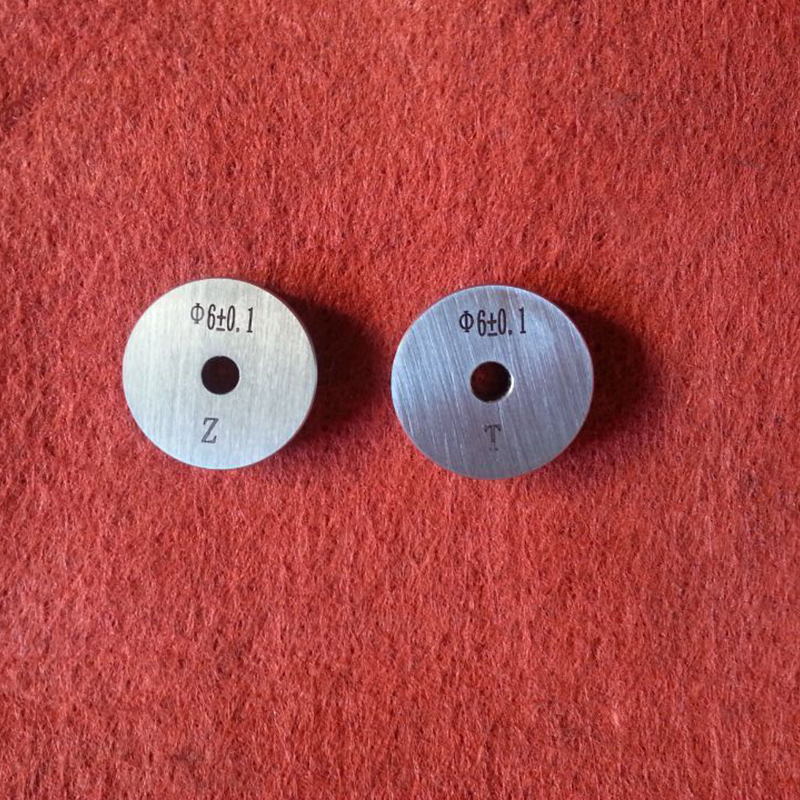
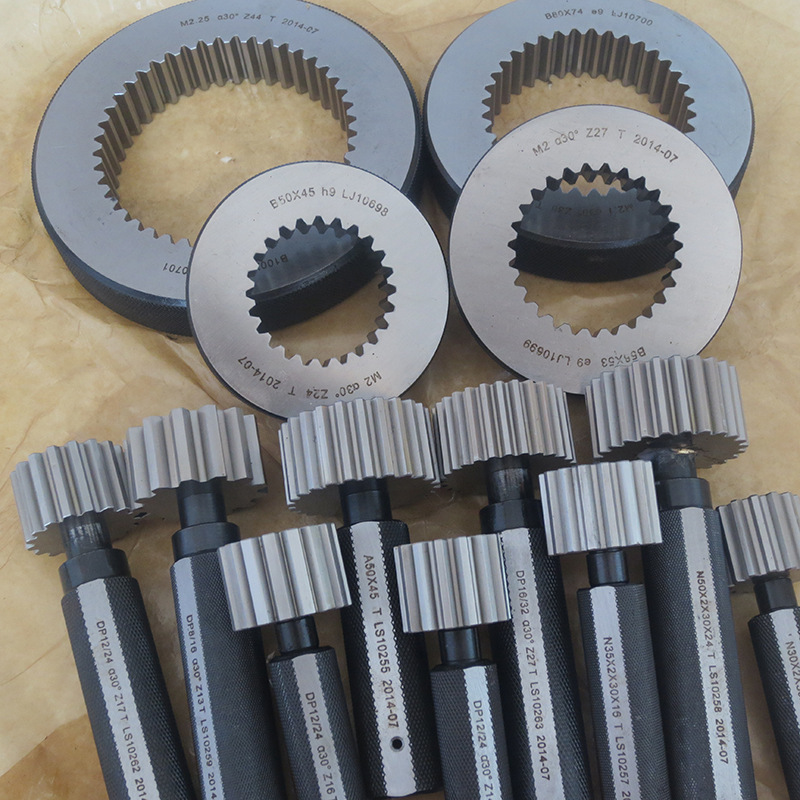
Understanding Precision Thread Gages Ensuring Accuracy in Manufacturing Precision thread gages are essential tools used in various manufacturing processes to ensure that threaded components meet specific dimensional and tolerance requirements. These gages play a crucial role in quality control, helping to guarantee that each threaded part can function correctly in its intended application, whether it be in automotive, aerospace, or any industrial setting. What are Precision Thread Gages? Thread gages are specialized measuring instruments designed to check the form, size, and pitch of threads. They come in various types, including go/no-go gages, thread plug gages, and ring gages, each serving specific purposes in the inspection process. A go gage is used to establish the minimum acceptable measurement, while a no-go gage checks the maximum limit, ensuring that the part is neither too loose nor too tight. Importance of Precision Precision in manufacturing is paramount. A small deviation in thread dimensions can lead to issues such as improper fit, increased wear, reduced strength, and ultimately, component failure. For instance, in the automotive industry, where components are often subjected to high stress and dynamic loads, the accuracy of threaded joints is vital to the overall safety and performance of the vehicle. Precision thread gages contribute to this accuracy by providing a reliable means of verification. Types of Thread Gages 1. Thread Plug Gages These gages are used to measure the internal threads of a component . They come in both go and no-go types, allowing manufacturers to assess whether the threaded holes are within acceptable limits. precision thread gages 2. Thread Ring Gages Designed for measuring external threads, these gages are also sold in go and no-go sets. They ensure that screws, bolts, and other fasteners meet the required specifications. 3. Thread Calipers More advanced than traditional gages, thread calipers offer a digital readout for precise measurements and can often accommodate a variety of thread profiles. 4. Custom Gages In some cases, standard gages may not meet specific requirements. Custom gages can be designed to address unique specifications, ensuring that every threaded piece meets its intended use. Material and Accuracy Precision thread gages are typically made from high-quality steel or carbide, materials selected for their durability and resistance to wear. The manufacturing process of these gages also takes into account the necessary tolerances, often adhering to industry standards such as those set by ASME or ISO. The accuracy of a thread gage can significantly affect the quality of the entire production process; therefore, regular calibration and maintenance are essential to uphold their precision. Conclusion In summary, precision thread gages are pivotal tools in the manufacturing industry, ensuring that threaded components meet strict standards for function and safety. By utilizing various types of gages, manufacturers can effectively monitor and maintain the quality of their threads, leading to overall improvements in product reliability and performance. Investing in high-quality gages and ensuring proper training for personnel who operate these tools can make a significant difference in manufacturing outcomes. As industries continue to evolve, the role of precision tools like thread gages will remain critical in upholding standards and pushing toward greater quality assurance in production processes.
-

High quality industrial productsagement

High quality industrial products
View Details -

Meet the diverse needs of customers

Meet the diverse needs of customers
View Details -

Strict quality control

Strict quality control
View Details -

Top raw materials

Top raw materials
View Details -

Trusted supplier

Trusted supplier
View Details
Our application


news and information
Wholesale Supply for Valves and Fittings Solutions in Industrial Applications
The Dynamics of Valve Wholesale A Comprehensive Overview In the industrial sector, valves play a cru

Using a Level for Accurate Measurements with a Marking Ruler
Using a Marking Ruler with Spirit Level A Guide to Precision in Projects When it comes to achieving
Valve Wholesale Quality Products & Competitive Prices
Valve wholesale is an integral part of numerous industries ranging from oil and gas to pharmaceutica
 English